Container Icon

伍佰艺沉香:了解沉香药用价值,告诉身边的亲人

我们都知道沉香的药用价值极高,素有“药中黄金”的美称。沉香的药用历史是比较悠久的,沉香作为药物,最早见于梁代《名医别录》,明代李时珍在《本草纲目》中对沉香的品种主治和附方作了更为系统的总结。清代在沉香功效应用上又有了多种见解,更加丰富了沉香的药用功能。由此可见,沉香用药历史悠久,并且从古至今积累了丰富的用药经验,在此基础上形成了现代医学对沉香药性功效的总结,即性味辛、苦,微温,行气止痛、温中止呕、纳气平喘。在临床使用中沉香一般不单独用药,多与其他药物配伍,主要用于呃逆、功能性消化不良、尿道综合征、皮肤病、各种痛症(痛经、前列腺痛、胃痛等)、胆汁反流性胃炎等的治疗。

一、沉香药用基础广泛

长期以来,沉香在中医学、藏医学、传统印度医学里有广泛的应用。历版《中国药典》均载有“沉香”,但自2005年版始,其来源收载白木香一种。国产和进口正品沉香的功效基本一致,性味辛、苦,微温;功能行气止痛、温中止呕、纳气平喘、用于胸腹胀闷疼痛,胃寒呕吐呃逆,肾虚气逆喘急。沉香通常被加工成传统中药饮片如沉香粉、沉香饮片、沉香曲等。目前,以沉香为组方原料的中成药有160多种。《中国基本中成药》中使用沉香的中成药达47种,如沉香化气丸、八味沉香片、时疫救急丹、大活络丹、妇宁丸、妇科通经丸、小儿奇应丸、十香返生丹、沉香化滞丸等。本节对沉香的用药历史、药理作用、临床应用及产品开发等方面进行了详细介绍。
二、沉香的药用历史悠久

沉香的药用历史是比较悠久的,最早见于梁代陶弘景的《名医别录》,书中将其列为上品:“沉香、薰陆香、鸡舌香、藿香、詹糖香、枫香并微温。悉治风水毒肿,去恶气。”《本草经集注》中注云:“此六种香皆合香家要用,不正复入药,唯治恶核毒肿道方颇有用处。”

西晋嵇含所著《南方草木状》是岭南的第一部本草书籍,书中对沉香有详细描述:“蜜香、沉香、鸡骨香、黄熟香、栈香、青桂香、马蹄香、鸡舌香,按此八物,同出一树也。交趾有蜜香树,干似柜柳,其花白而繁,其叶如橘。欲取香,伐之;经年,其根、干、枝、节各有别色也。木心与节坚黑沉水者,为沉香。”《唐本草》云:“沉香、青桂、鸡骨、马蹄、笺香等同是一树叶似橘叶,花白,子似槟榔,大如桑椹,树皮青色,木似榉柳。”

唐《新修本草》在木部上品中收载有沉香,指出“沉香叶似橘叶”,但在其功用记载上并无新意。稍后,陈藏器著《本草拾遗》,在木部第四卷载有:“蜜香,味辛,温,无毒。主臭,除鬼气。”又在解纷第八卷收载有沉香“其枝节不朽,最紧实者为沉香;浮者为煎香;以次形如鸡骨者为鸡骨香;如马蹄者为马蹄香;细枝未烂紧实者为青桂香”,并针对苏敬《新修本草》的记载作了补充:“(沉香)枝叶并似樁,苏云如橘,恐未是也。”其实二人所说均无错误,因为沉香的来源有沉香树和白木香两种,二者的叶是有所不同的。苏敬所言的是沉香树,主产于交州(今越南);陈藏器指的是白木香,主产于广州(包括中山、东莞在内的今珠三角地区)。可见唐代的药用沉香当已包括今天的进口沉香和国产白木香两个不同品种。同时期的李珣著《海药本草》,也载有沉香,日沉香,味苦无毒。主心腹痛,霍乱,中恶邪,鬼疰,清人神,并宜酒煮服之;诸疮肿宜入膏用。”

对沉香功能主治记载最详细的要算五代时期吴越的《日华子本草》,该书载:“沉香,味辛,热,无毒。调中,补无脏,益精,壮阳,暧腰膝,去邪气,止转筋吐泻冷气,破癥癖,冷风麻痹,骨节不任,湿风肤痒,心腹痛,气痢。”宋《开宝本草》载有沉香,但都是照抄《新修本草》的内容,宋苏颂《本草图经》亦载有沉香,并记载了易与沉香相混的薰陆香、鸡舌香(丁香)、苏合香、檀香、乳香等。宋《本草衍义》载:“然《经》中止言疔风水毒肿,去恶气,余更无治疗,今医家用以保和卫气,为上品药,须极细为佳。
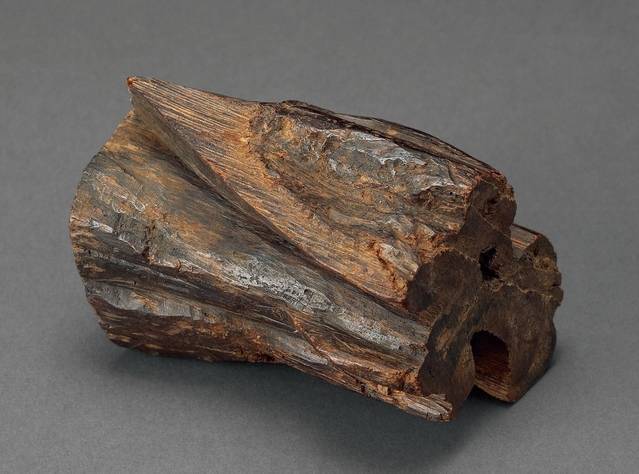
明代李时珍在《本草纲目》中对沉香的品种、主治和附方作了系统的总结,他指出:“沉香品类,诸说颇详,今考……诸书撮其未尽者补之云。香之等凡三:曰沉,日栈,曰黄熟是也。沉香入水即沉,其品凡四:曰熟结,乃膏脉凝结自朽出者;曰生结,乃刀斧伐仆膏脉结聚者;曰脱落,乃因水朽而结者;曰虫漏,乃因蠹隙而结者。生者为上,熟脱次之。坚黑为上,黄色次之。角沉黑润,黄沉黄润,蜡沉柔韧,革沉纹横,皆上品也。”书中认为沉香“辛,微温,无毒。咀嚼香甜者性平,辛辣者性热”。其主治症除了前人所载外,还有“治上热下寒,气逆喘急,大肠虚闭,小便气淋,男子精冷”。并附有治疗“诸虚寒热”胃冷久呃”“心神不足”“肾虚目黑”“胞转不通”“大肠虚闭“痘疮黑陷”等病症的附方。

明代陈嘉谟的《本草蒙筌》载有沉香,并认为以黄蜡沉最好,“品极精美,得者罕稀。应病如神,人药甚捷。堪为丸作散忌日曝火烘。补相火抑阴助阳,养诸气通天徹地。转筋吐泻能止,噤口痢痛可驱”。并加按语:“(沉香)今人多与乌药摩服走散滞气。独行则势弱,与他药相佐,当缓取效,有益无损。”

清代在沉香功效应用上多有见解,《本经逢原》载:“沉香专于化气,诸气郁结不伸者宜之。温而不燥,行而不泄,扶脾达肾摄火归元。主大肠虚秘、小便气淋及痰涎血出于脾者之要药。”《本草从新》载:“诸木皆浮,而沉香独沉,故能下气而坠痰涏,能降亦能升,故能理诸气调中。”而在品种产地上并无新的论述,仅见清代赵学敏《本草纲目拾遗》中“伽楠香”条引《宦游笔记》云“伽楠一作琪楠,出粤东海上诸山,即沉香木之佳者,黄蜡沉也。”又引金立夫之言曰:“现在粤中所产者,与东莞县产之女儿香相似色淡黄,木嫩而无滋腻,质粗松者气味薄。”

综上所述,沉香用药历史悠久,并且积累了丰富的用药经验,为现代沉香药用开发奠定了坚实的基础。
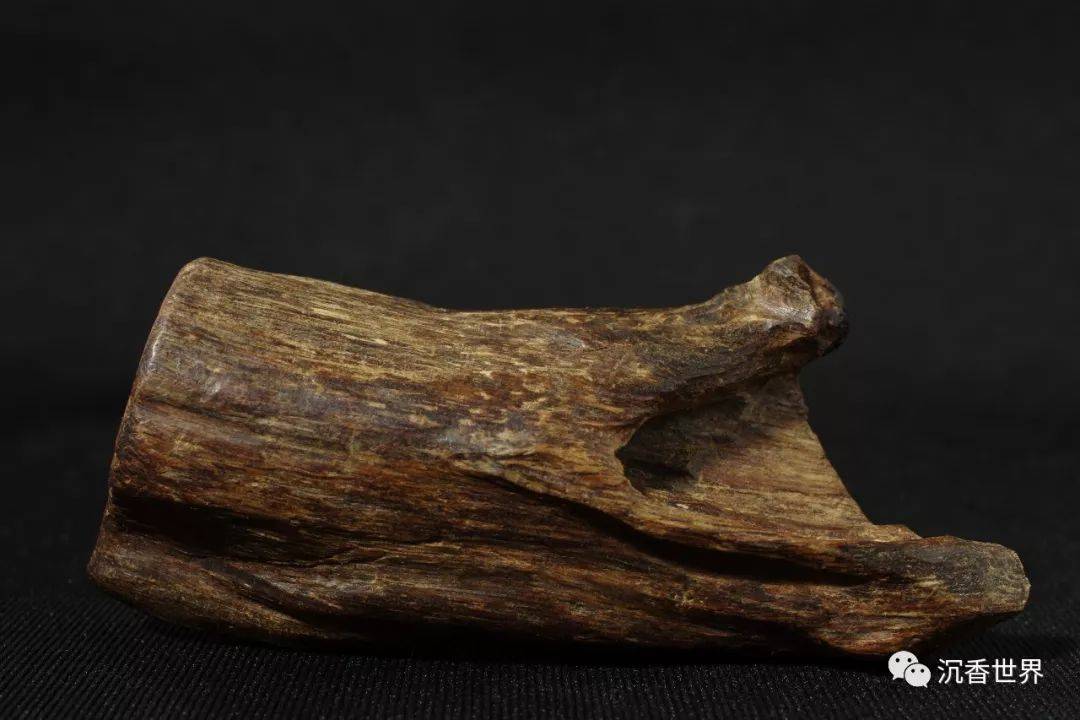
三、沉香的药理功效

沉香的现代药理研究显示其功效有以下几个方面。

一是解痉作用。沉香的水煎液对离体豚鼠回肠的自主收缩有抑制作用,对组胺、乙酰胆碱引起的痉挛性收缩有对抗作用,给小鼠腹腔注射,能使新斯的明引起的小鼠推进运动减慢,呈现肠平滑肌解痉作用,该作用提示沉香对胃肠平滑肌有直接作用。

二是止喘作用。沉香醇提取物能促进离体豚鼠气管抗组胺作 用,发挥止喘效果

三是镇静、镇痛作用。沉香提取物能使环己巴比妥引起的小鼠睡眠时间延长。沉香药材中所含的白木香酸对小鼠有一定的麻醉作用,热板法实验对小鼠有良好的镇痛作用。沉香的挥发油通过蒸汽吸入对小鼠给药,降低了小鼠的自发运动活性。沉香挥发油通过吸入对小鼠给药,结果显示其具有抗焦虑作用。

四是抗菌作用。沉香煎剂对人体结核杆菌、伤寒杆菌、福氏痢疾杆菌均有不同程度的抑制作用。
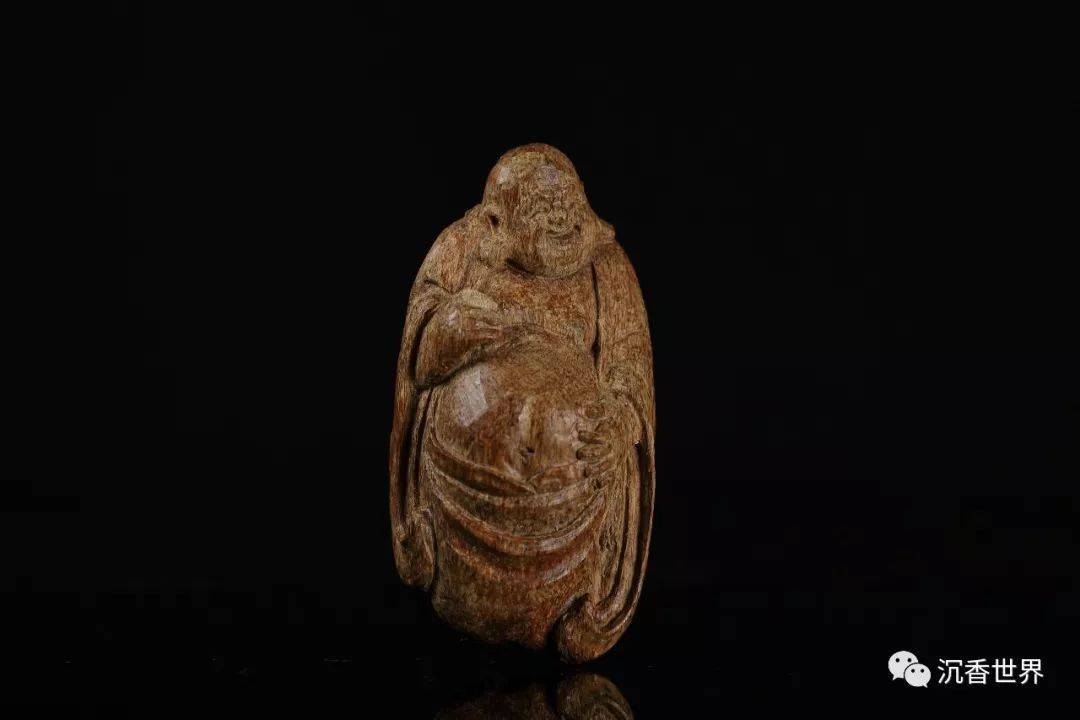
四、沉香的临床应用

在现代中医的临床实践中,沉香的用途很广,中医用的沉香临症的作用如下。

一是行气止痛,对饮食不节、外感寒邪所致腹痛,以及跌打损伤、经脉阻塞、血液淤滞所致疼痛,均有理想效果。

二是降逆调中,对胃寒呕吐、阳虚便秘和治疗霍乱有很好的效果。

三是交通心肾,对由于心肾水火不能相济而失眠、头晕耳鸣、潮热盗汗、五心烦热、健忘多梦、腰膝酸软、遗精滑精有很好的疗效。

四是温肾纳气,沉香是肾虚喘咳、久病成虚喘的良药。

五是温肾暖精,对男子精冷,或先天不足、久病伤肾,或手淫恶习伤及本元以及阳痿都有良效。

六是壮阳除痹,对肾阳虚之风湿痹痛亦有疗效。
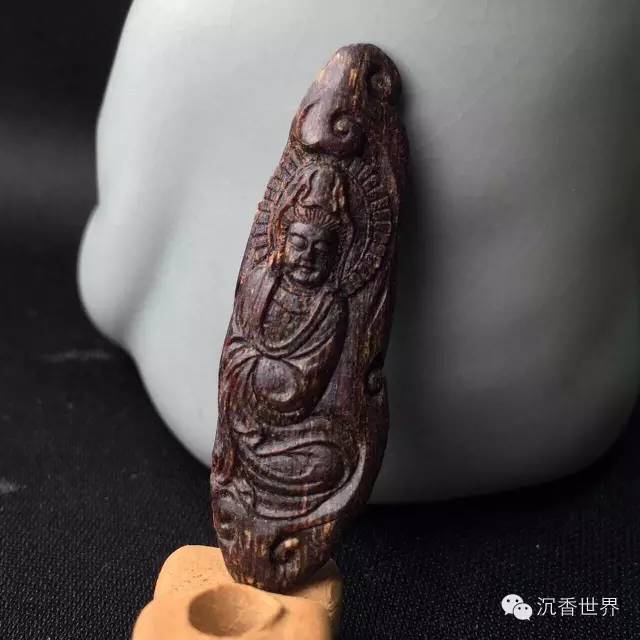
近年来,沉香在下列疾病的临床治疗中效果显著。

一是术后呃逆。沉香粉3g用纸卷成香烟状,点燃后吸入治疗术后呃逆65例,显效38例,有效25例,无效2例,总有效96.92%。

二是胃痛。用沉香止痛散(沉香、金银花、鸡内金、当归、浙贝母、茯苓、大腹皮、香附等)治疗胃痛103例,结果症状全部消失80例,显效23例,有效率为100%

三是尿道综合征。用沉香4g、石韦15g、滑石15g(包煎当归10g、白芍10g、陈皮10g、冬葵子10g、浙贝母10g、苦参10g、柴胡10g、百合30g、王不留行10g、金钱草30g、甘草5g,,每日1剂水煎服,15天为一个疗程,治疗尿道综合征56例,显效(排尿困难、尿频症状基本消失)16例,好转(排尿困难尿频症状明显改善)35例,无效(排尿困难、尿频症状稍有改善或无明显好转,或仅腹胀等其他症状减轻者)5例,总有效率91%。

四是风湿性心脏病。用藏药三十五味沉香散(沉香、香樟、白沉香、白檀香、紫檀香、红花等)治疗风湿性心脏病100例显效56例,占56%;好转42例,占42%;无效3例,占3%。总有效率为97%。

五是肛瘘术后癃闭。用沉香四磨汤(乌药、槟榔各12g,沉香、川楝子、甘草各6g,木香9g,车前子、泽泻各10g,灯芯草3扎,水煎服,每日1剂)治疗20例肛瘘术后癃闭,结果治愈(用药1剂后能自主排尿,无须导尿)18例,其余2例服药3剂后即可自主排尿。
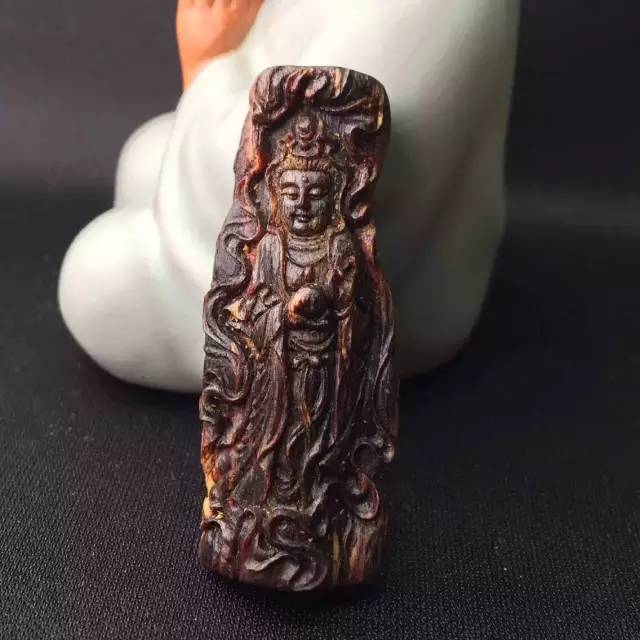
在历代医家的医案记载中,沉香与其他药物的配伍,积累了丰富的经验,治疗范围扩展到多种疾病,现代研究也表明沉香在治疗消化系统疾病、呼吸系统疾病、心脑血管疾病、神经系统疾病以及外科、妇科、儿科、五官科和皮肤科疾病等方面都有显著疗效,在抗风湿病以及美容等方面也有较好的作用。可见,沉香的药理作用和临床应用范围是十分广泛的,其开发应用前景十分广阔。

五、沉香新药研发

沉香是道地药材,药用价值极高,是很多中药组方的重要原料,临床应用范围也非常广。随着对其化学成分和药理作用的现代化研究,沉香不但在药物研发上有广阔前景,在保健养生产品开发上也有巨大潜力。

第一,镇静止痛类产品开发。药理学硏究显示沉香中沉香螺旋醇、白木香酸和缬草烯酸等成分有镇静、镇痛作用,有研究显示沉香的挥发油通过蒸汽吸入对小鼠给药,降低了小鼠的自发运动活性,具有抗焦虑作用。现代社会竞争压力大,人际关系紧张、环境污染严重使得许多人患有失眠、头痛、精神倦怠甚至抑郁焦躁症状,利用沉香镇痛镇静作用开发岀熏香、沉香精油等保健品,必然对这些症状有很好的缓解治疗作用。

第二,改善过敏症状的产品开发。利用沉香的药理作用可开发出具有抗过敏功效的保健产品。

  • Digg
  • Del.icio.us
  • StumbleUpon
  • Reddit
  • RSS

Có 47 loại thuốc sáng chế của Trung Quốc sử dụng trầm hương


1. Bổ can thận, nhuận tràng, dẫn khí, thông ứ

1. Thịt nạc hầm trầm hương, nấm linh chi và ngũ vị hương

Nguyên liệu: Trầm hương 5g, linh chi 20g, ngũ vị tử 5g, vỏ quýt 5g, thịt nạc 250g.

Cách làm: Thịt nạc rửa sạch, cắt thành từng miếng nhỏ, cho vào 200ml nước, hấp cùng với các vị thuốc trên trong 2 giờ, nêm muối rồi dùng.

Công dụng: Bổ can thận, bổ khí, giải đờm, giảm hen suyễn.

Người áp dụng: Khí thũng phế quản mãn tính, ho mãn tính và bệnh nhân hen suyễn bị suy thận và đờm đục.

2. Nước uống Trầm hương Fuzi Salvia

Nguyên liệu: Trầm hương 5g, phụ tử nấu chín 10g, hoa xô đỏ 30g.

Cách làm: Chiên phụ tử đã nấu chín trong 20 phút, sau đó cho trầm hương và hoa xô đỏ vào nấu trong 1 giờ trước khi uống.

Hiệu quả: Làm dịu khí bất lợi, làm ấm dương và nạo vét tĩnh mạch.

Người áp dụng: bệnh nhân bị đau thắt ngực kiểu ứ đọng Hanning Qi, tức ngực, khó thở, ớn lạnh và chân tay lạnh.

3. Trầm hương, bạch chỉ, xương cụt, xương đuôi lợn

Nguyên liệu: Trầm hương 5g, bạch chỉ 10g, nhục đậu khấu 30g, xương đuôi heo 500g, một ít gừng.

Cách làm: Xương đuôi lợn rửa sạch, cho các vị thuốc kể trên vào 1000ml nước, đun sôi, đun nhỏ lửa trong 2 giờ, nêm muối rồi dùng.

Công dụng: Bổ can thận, nhuận tràng, dẫn khí, thông ứ.

Đối tượng áp dụng: Bệnh nhân táo bón đầy hơi có thể bị đầy hơi thường xuyên, chướng bụng, ợ hơi, v.v. (Phóng viên He Xuehua, phóng viên Li Chao và Jin Xiaoming)

4. Nấc cụt sau phẫu thuật

3g bột trầm hương được cuộn thành điếu thuốc bằng giấy, châm lửa và hít điều trị 65 trường hợp nấc sau mổ, 38 trường hợp có hiệu quả rõ rệt, 25 trường hợp có hiệu quả và 2 trường hợp không có hiệu quả, với tổng tỷ lệ hiệu quả là 96,92%.

5. Dau dạ dày

103 trường hợp đau dạ dày được điều trị bằng bột Chenxiangzhitong (Trầm hương, kim ngân hoa, Gallus gallis, Angelica, Fritillaria japonicus, Poria cocos, Dabupi, Cyperus cyperi, v.v.), tất cả các triệu chứng đều biến mất trong 80 trường hợp, 23 trường hợp có hiệu quả rõ rệt và tỷ lệ hiệu quả là 100%.

6. hội chứng niệu đạo

Dùng 4g trầm hương, 15g thạch vi, 15g talc (gồm bạch chỉ chiên 10g, rễ mẫu đơn trắng 10g, vỏ quýt 10g, hạt cẩm quỳ 10g, hoa tử đằng 10g, flavescens 10g, bupleurum 10g, hoa huệ 30g, đinh hương 10g, nước sắc 30g Cỏ tiền và 5g cam thảo, sắc lấy nước mỗi ngày một lần, liệu trình 15 ngày, chữa được 56 trường hợp mắc hội chứng niệu đạo, 16 trường hợp có hiệu quả rõ rệt (tiểu khó, tiểu nhiều lần về cơ bản biến mất), cải thiện (khó tiểu). đi tiểu, triệu chứng đi tiểu thường xuyên được cải thiện đáng kể) trong 35 trường hợp và 5 trường hợp không hiệu quả (tiểu khó, triệu chứng đi tiểu thường xuyên được cải thiện đôi chút hoặc không cải thiện, hoặc chỉ các triệu chứng khác như chướng bụng đã thuyên giảm), và tổng tỷ lệ hiệu quả là 91%. .

7. Bệnh thấp tim

100 trường hợp mắc bệnh thấp tim được điều trị bằng 35 loại bột trầm hương (trầm hương, long não, trầm hương trắng, gỗ đàn hương trắng, gỗ đàn hương đỏ, nghệ tây, v.v.) trong 56 trường hợp mắc bệnh thấp khớp, chiếm 56%; 42 trường hợp cải thiện, chiếm 42%; Không hiệu quả trong 3 trường hợp, chiếm 3%. Tổng tỷ lệ hiệu quả là 97%.

8. đóng lỗ rò hậu môn sau phẫu thuật

Dùng thuốc sắc Trầm hương Simo (đen và trầu cau 12g, trầm hương, toosendan, cam thảo mỗi loại 6g, thân gỗ 9g, mã đề, Alisma mỗi loại 10g, 3 bó cói sắc sắc lấy nước, ngày 1 lần) Chữa 20 ca thiểu rò hậu môn sau mổ và kết quả khỏi (đi tiểu tự nhiên sau 1 liều thuốc, không cần thông tiểu) ở 18 trường hợp, 2 trường hợp còn lại tiểu tự nhiên sau 3 liều thuốc.


  • Digg
  • Del.icio.us
  • StumbleUpon
  • Reddit
  • RSS

お茶ができるまで


お茶摘みからはじまる、お茶作り。どのようにして、お茶ができるのかをご紹介させていただきます。京田辺玉露製茶技術研修工場での製造工程のご紹介です。
Việc làm trà bắt đầu bằng việc hái trà. Tôi sẽ giới thiệu cách pha trà. Đây là phần giới thiệu về quy trình sản xuất tại Nhà máy Đào tạo Trà Kyotanabe Gyokuro.

1.お茶摘み - Hái trà 

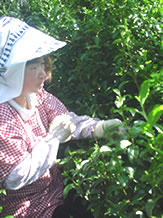
右写真は、手摘みされているお茶摘の様子

最近では、適採機を使った、機械摘みが主流となっています。右写真のような、手摘みでの摘取りは、少なくなってきているのが現状です。
このようにして摘み取られた新芽(生葉)は、放っておくと発酵が始まり、熱を持って赤く変色します。新芽を摘んだ後は、早めに次の工程を行います。日本茶(緑茶)は鮮度が命なのです。

Gần đây, việc hái cơ giới sử dụng máy thu hoạch phù hợp đã trở thành xu hướng chủ đạo. Tình hình hiện nay là việc hái bằng tay như ảnh bên phải đang giảm dần. Nếu để mầm (lá tươi) hái theo cách này, chúng sẽ bắt đầu lên men và chuyển sang màu đỏ khi đun nóng. Sau khi hái mầm xong, bạn tiến hành bước tiếp theo càng sớm càng tốt. Độ tươi là chìa khóa của trà Nhật Bản (trà xanh).


2.蒸し/hấp 摘まれたばかりの新芽を蒸気で蒸します。Hấp đọt trà mầm mới hái
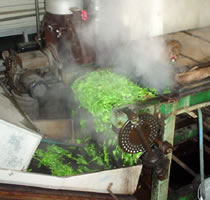
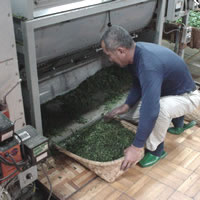
摘んだばかりの新芽(生葉)を蒸し機に投入。
高温で新芽を蒸し、瞬間的に冷却します。
蒸す事により茶の葉に含まれる酸化酵素の活性を止め、生葉の青臭さを消し、柔軟性を持たせます。
また、この蒸しの度合いでお茶の性格が決まってしまい、味、香り、色のほとんどがこの工程で決定してしまうという大事な工程です。
Cho giá (lá tươi) mới hái vào nồi hấp.đọt trà được hấp ở nhiệt độ cao và làm nguội ngay lập tức.Hấp sẽ làm ngừng hoạt động của enzyme oxidase có trong lá trà, loại bỏ mùi cỏ của lá trà tươi, khiến lá trà trở nên mềm dẻo.Ngoài ra, mức độ hấp quyết định đặc tính của trà, hầu hết hương vị, mùi thơm và màu sắc đều được xác định trong quá trình này, đây là một quá trình quan trọng.

3.あらもみ(粗揉)Aramomi (nhào thô) 生葉の水分をとり、揉んでいきます。 Loại bỏ độ ẩm từ lá tươi và nhào chúng.

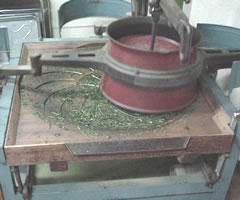
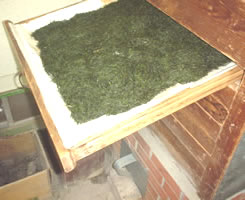
あらもみ(粗揉)工程は、おおよそ50分程かかります。
その中で、風の量や熱風の温度、揉み込み軸の回転の速さ等を変えて、茶葉が上乾きしない様、茶葉の中の水分を揉み出し乾燥させます。

Quá trình nhào thô mất khoảng 50 phút.

Trong đó, lượng không khí, nhiệt độ khí nóng, tốc độ quay của trục nhào,… được thay đổi để nhào trộn và làm khô độ ẩm trong lá trà để lá trà không bị khô.


4.中もみ(中揉)công đoạn nhào giữa  茶葉の水分を調整しながら、葉の形を整えます。Trong khi điều chỉnh độ ẩm của lá trà, hình dạng của lá cũng được điều chỉnh.

粗揉の揉み不足と乾燥ムラを補い、水分を均一にする工程です。
粗揉機で揉まれた茶葉に錘をかけて、転がす様に揉み込みます。主に茎の部分の水分を出し、葉と茎の水分がほぼ同じになる様にします。
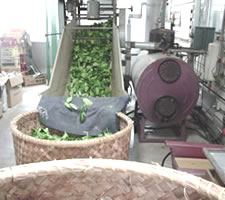
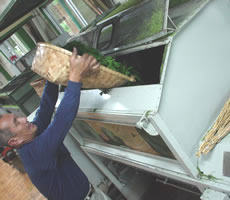
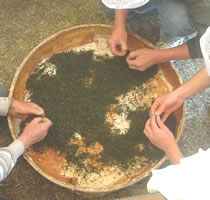
右の写真は、中揉機で揉まれた茶葉は、独特の粘りで茶葉同士がくっつき丸い玉のようになります。それを一つ一つほぐします。

Đây là một quá trình bù đắp cho việc thiếu nhào thô và làm khô không đều, đồng thời cân bằng độ ẩm.

Một vật nặng được đặt lên những lá trà đã được nhào bằng máy nhào thô và chúng được nhào theo chuyển động lăn. Chủ yếu loại bỏ độ ẩm ở phần thân để lá và thân có độ ẩm gần như nhau.

Trong ảnh bên phải, những lá trà được nhào bằng máy nhào ở giữa có độ dính đặc biệt khiến các lá trà dính vào nhau như một quả bóng tròn. gỡ từng cái một

 Quy trình nhào bằng tay: Tama-toki, Nakaage, Sắp xếp trà


5.仕上げもみ(精揉) Nhào cuối (cọ xát chính xác) 茶葉を針のように伸ばします。Kéo dài lá trà như những chiếc kim

茶葉の形をつくる大切な工程です。
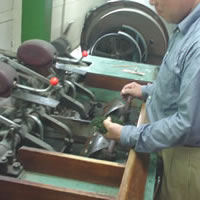
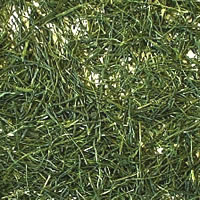
少しずつ錘をかけながら茶葉をより、丸く、細く延ばして行きます。あまり錘をかけすぎると平らになってしまい、かけ足らないと曲がったお茶になってしまうので、難しい工程です。

Đây là công đoạn quan trọng tạo nên hình dáng của lá trà.

Trọng lượng được áp dụng từng chút một để làm cho lá trà tròn và mỏng hơn. Đây là một quá trình khó khăn vì nếu bạn đặt quá nhiều trọng lượng lên nó, nó sẽ trở nên phẳng, còn nếu bạn đặt quá ít trọng lượng lên nó thì trà sẽ bị cong.

 手もみでの工程:でんぐり、板ずり

Quy trình nhào bằng tay: Denguri, chà xát ván


6.乾燥 sấy khô 最後に水分を飛ばし、乾燥させます。 Cuối cùng loại bỏ độ ẩm và để khô

仕上げ揉みで仕上げられた茶葉を乾燥させます。
乾燥が足りないと赤く変色したりにおいが悪くなったり、保存状態が悪くなります。
あまり乾燥機に入れすぎると、「火香」がついてお茶の香りが無くなってしまったり、やはり赤く変色してしまったりと、最後まで気が抜けません。

Những lá trà đã hoàn thành ở công đoạn cuộn cuối cùng sẽ được phơi khô.

Nếu không đủ khô, nó sẽ chuyển sang màu đỏ, có mùi hôi và khó bảo quản.

Nếu cho vào máy sấy quá nhiều sẽ mất mùi thơm của trà hoặc chuyển sang màu đỏ.


7.仕上げ加工 hoàn thiện 

乾燥された茶葉は、葉と茎や粉に分別し、茶葉は玉露や煎茶に、茎はかりがね(茎茶)として、また粉は粉茶として袋詰めされ、店頭に並び、みなさまのお手元に行き渡るのです。

Lá trà khô được tách thành lá, thân và bột, lá trà được đóng thành gyokuro và sencha, thân thành karigane (trà có cuống) và bột thành bột trà.

  • Digg
  • Del.icio.us
  • StumbleUpon
  • Reddit
  • RSS

Agarwood Oil Market: Global Industry Analysis and Forecast (2023-2029)


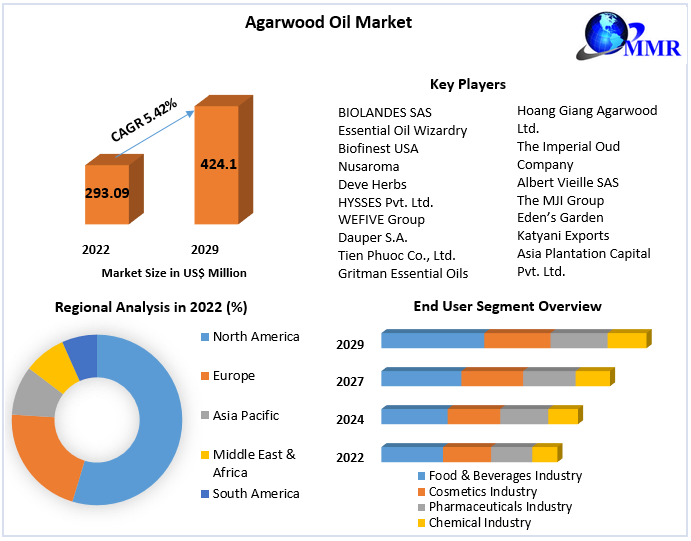
 Global Agarwood Oil Market size is expected to reach nearly US$ 424.1 Mn by 2029 with the CAGR of 5.42% during the forecast period.

Agarwood Oil Market Overview:

The Agarwood or Eaglewood is a resinous wood found predominantly in the southeast region of the Asia-Pacific. Agarwood after getting infected with yeast, pest, or microbial infection releases aromatic resins called Agarwood Oil. The presence of aromatic essence has resulted in a wide-scale use of Agarwood Oil throughout the world. Agarwood Oil possesses antimicrobial and antioxidant properties that are used in manufacturing medicines for asthma, digestion, and mental health-related issues.Agarwood Oil Market To know about the Research Methodology :- Request Free Sample Report The presence of Aphrodisiac properties has resulted in increased use of Agarwood Oil in manufacturing Sexual health-related products. The high price and limitation in availability have resulted in the synthetic production of Agarwood Oil on a large scale. An increase in demand for aromatic substances has resulted in increased use of Agarwood Oil throughout the world. Increased domestic and industrial consumption and rarity in nature have resulted in the growth in the Global Agarwood Oil Market.

Agarwood Oil Market Dynamics:

Agarwood Oil possesses a spiritual fragrance that is used in Aromatherapy. It is observed that more than 20% of working men and more than 32% of working women living in metropolitan cities in the US and Europe prefer Aromatherapy at least once a month. The preference for Agarwood Oil in Aromatherapy has increased its demand in the western hemisphere. A report by WHO published in 2016 states that 4 out of 100 people suffer from mental health-related issues like stress, anxiety, and depression. This number is concentrated more in the urban regions and is expected to increase in the coming years. Agarwood Oil possesses anti-depressant and stress-relieving properties that are used on a large scale in manufacturing medicine for mental health-related issues. Agarwood Oil possesses moisturizing and anti-aging properties that are used by the Cosmetics Industry and in manufacturing medicines by the traditional medicines manufacturing industry. Evolva, a Switzerland-based biotechnology company announced its collaboration with the Malaysian Biotechnology Corporation and Universiti Malaysia Pahang to produce synthetic yeast that can produce Agarwood Oil. An increase in demand for niche perfumery and global demand are the driving factors for the growth of the Global Agarwood Oil Market.

Restraints:

The high price of Agarwood Oil products is the major restraining factor here.

Agarwood Oil Market Segment Analysis:

The Global Agarwood Oil Market is segmented on the basis of By Nature, It is observed that more than 52% of Agarwood Oil products available in the market are in adulterated form. An increase in demand for premium products has resulted in a 0.3% increase in demand for Organic Agarwood Oil. By End Users, It is observed that more than 70% Agarwood Oil present in either organic or processed form is consumed by the Cosmetics, Chemical, and Personal Care Products Industries. An increase in demand for high range premium products has resulted in a 2.1% increase in demand for Agarwood Oil by the Cosmetics Industry. The presence of antioxidant and anti-inflammatory properties have resulted in a 1.7% increase in the consumption of Agarwood Oil by the Pharmaceutical Industry. An increase in preference for aromatic cleaners and solutions has resulted in a 3% increase in consumption of Agarwood Oil by the Chemical Industry. Different industries use Agarwood Oil as per need. By Distribution Channels, It is observed that more than 40% of the Agarwood Oil and products made by it are sold through Specialty Stores that deals in plant-based products. An increase in demand for medicines and cosmetics products made by using Agarwood Oil has resulted in an increase of 3.1% in sales through Supermarkets and Convenience Stores in the US and Europe. Increased use of Online shopping portals for purchasing plant-based products has resulted in an increase of 7% in the number of people purchasing Agarwood Oil through different E-Commerce platforms. The high price of cosmetics and personal care products made by using organic Agarwood Oil has restricted its purchase to a certain number of people. Specialty Stores dealing in high-end products contribute to more than 35% of the revenue earned by the Global Agarwood Oil Market. Availability of a wide range of products by different brands in one place has resulted in a 2.8% increase in the sales of Agarwood Oil products through Supermarkets. Convenience Stores that come under Organized Sector have observed a growth of 2.1% in the sales of Agarwood Oil products. An increase in the preference for online shopping due to features like doorstep delivery has resulted in an increase of 4.8% in sales of Agarwood Oil through different E-Commerce platforms. Different mediums that deal in plant-based aromatic products are visited by people for purchasing Agarwood Oil.

Regional Insights

Asia-Pacific is the biggest producer of Agarwood Oil. Countries like India, Sri Lanka, Singapore, Malaysia, and Indonesia contribute to more than 60% of the global production of Agarwood Oil. An increase in preference for plant-based aromatic products and consumption for making traditional medicines has resulted in a 1.8% increase in the consumption of Agarwood Oil in this region. A growth of 1.3% has been observed in the domestic consumption of Agarwood Oil for manufacturing homemade medicine in this region. North America and Europe are the biggest importers of Agarwood Oil. An increase in preference for aromatic cosmetics and personal care products has resulted in a 3% increase in consumption of Agarwood Oil by the European Cosmetics and Personal Care Products Manufacturing Industry. The rise in the number of people preferring traditional medicines has resulted in a 2.7% increase in the consumption of Agarwood Oil by the American Pharmaceutical Industry. The South American market has shown a growth rate in the range of 0.6-1.5%. Relaxations in the environmental policies have resulted in a 3% increase in the use of synthetic Agarwood Oil by the Chemical Industry present in this region. The Middle East and Africa’s Market has shown a growth rate of 2% and is expected to double its growth rate in the coming 10 years. The preference for aromatic products and this region’s role as a trade intermediary between Asia and the western countries has resulted in a growth in the Agarwood Oil Market in this region. The objective of the report is to present a comprehensive analysis of the global Agarwood Oil market to the stakeholders in the industry. The past and current status of the industry with the forecasted market size and trends are presented in the report with the analysis of complicated data in simple language. The report covers all the aspects of the industry with a dedicated study of key players that include market leaders, followers, and new entrants. PORTER, SVOR, PESTEL analysis with the potential impact of micro-economic factors of the market have been presented in the report. External as well as internal factors that are supposed to affect the business positively or negatively have been analyzed, which will give a clear futuristic view of the industry to the decision-makers. The report also helps in understanding the global Agarwood Oil market dynamics, structure by analyzing the market segments and Project the global Agarwood Oil market size. Clear representation of competitive analysis of key players by product, price, financial position, product portfolio, growth strategies, and regional presence in the global Agarwood Oil market make the report investor’s guide.

Agarwood Oil Market Scope: Inquire before buying

Global Agarwood Oil Market
Report CoverageDetails
Base Year:2022Forecast Period:2023-2029
Historical Data:2018 to 2022Market Size in 2022:US $  293.09 Mn.
Forecast Period 2023 to 2029 CAGR:5.42%Market Size in 2029:US $ 424.1 Mn.
Segments Covered:by NatureOrganic Conventional
by End UserFood & Beverages Industry Cosmetics Industry Pharmaceuticals Industry Chemical Industry Personal Care Products Industry Domestic Others
by Distribution ChannelSupermarket Convenience Store Specialty Store E-Commerce Others

Agarwood Oil Market, by Region

Asia Pacific (China, South Korea, Japan, India, Australia, Indonesia, Malaysia, Vietnam, Taiwan, Bangladesh, Pakistan and Rest of APAC) Europe (UK, France, Germany, Italy, Spain, Sweden, Austria and Rest of Europe) North America (United States, Canada and Mexico) Middle East and Africa (South Africa, GCC, Egypt, Nigeria and Rest of ME&A) South America (Brazil, Argentina Rest of South America)

Key Players are:

1. BIOLANDES SAS 2. Essential Oil Wizardry 3. Biofinest USA 4. Nusaroma 5. Deve Herbs 6. HYSSES Pvt. Ltd. 7. WEFIVE Group 8. Dauper S.A. 9. Tien Phuoc Co., Ltd. 10. Gritman Essential Oils 11. Hoang Giang Agarwood Ltd. 12. The Imperial Oud Company 13. Albert Vieille SAS 14. The MJI Group 15. Eden’s Garden 16. Katyani Exports 17. Asia Plantation Capital Pvt. Ltd. 18. Agarvina Co., Ltd. 19. ASSAM Aromas 20. Ji’an Zhongxiang Natural Plants Co., Ltd.

Frequently Asked questions

1. What is the market size of the Global Agarwood Oil Market in 2022? Ans. The market size Global Agarwood Oil Market in 2022 was US$ 293.09 Million. 2. What are the different segments of the Global Agarwood Oil Market? Ans. The Global Agarwood Oil Market  is divided into Product, Application and End User. 3. What is the study period of this market? Ans. The Global Agarwood Oil Market will be studied from 2022 to 2029. 4. Which region is expected to hold the highest Global Agarwood Oil Market share? Ans. The Asia Pacific dominates the market share in the  market. 5. What  is the Forecast Period of Global Agarwood Oil Market? Ans. The Forecast Period of the market is 2023-2029 in the market.

  • Digg
  • Del.icio.us
  • StumbleUpon
  • Reddit
  • RSS

What is agarwood?


Agarwood or Gaharu as it is known in many Asian countries is a resinous heartwood that occurs in trees belonging to the genus Aquilaria. The Aquilaria tree is a fast-growing, subtropical forest tree, with a population range stretching from South Asia’s Himalayan foothills, throughout Southeast Asia, and into the rainforests of Papua New Guinea. It grows at elevations from a few meters above sea level to about 1000 meters, with approx. 500 meters being most ideal.

Aquilaria can grow on a wide range of soils, including poor sandy soil. Seedlings require a great deal of shade and water but will grow rapidly, producing flowers and seeds as early as four years old. At least fifteen species of Aquilaria are known to produce the much sought-after agarwood. In South Asia, particularly India, Aquilaria achalloga is found. Aquilaria malaccensis is mostly known in Thailand Malaysia and Indonesia, while Aquilaria crassna grows primarily in Indochina. A number of others are also known, such as Aquilaria grandfolia, Aquilaria chinesis etc., though these are relatively minor species for agarwood production.

Agarwood Usage

Agarwood, the “Wood of the Gods” has been traded and highly coveted for thousands of years. The resinous wood is used as incense, for medicinal purposes, and pure resin in distilled form is used as an essential oil as well as a perfume component. Outside its native countries, it is most widely known in the Middle East, China, Taiwan, and Japan. A strong connection exists between use, religion, and curative properties, and elaborate traditional and religious ceremonies are known around the world. Faith healers in the Middle East use it at curative ceremonies, Japanese pilgrims donate flowers and agarwood oil to Shinto-Buddhist temples, and Vietnamese religious groups are obliged to bring agarwood to ceremonies at their temples in Mekong Delta communities.

agarwood-cross-section

Agarwood Essential Oil – Oud Oil

Oud Oil is one of the best-known and best-loved fragrance ingredients among consumers across the globe. Its rich scent and exotic associations have made it synonymous with oriental fragrances for centuries. But how many of us can say we are familiar with the process involved in obtaining oud, or how best to use it in fragrance creation?

Oud is one of the most expensive raw materials used in modern perfumery, top grade Oud Oil  can cost over $50,000 per kilo. The current global market for agarwood is estimated to be worth over $12 billion and is growing rapidly.

The main reason why it is so expensive is its scarcity. Not only has the International Union for Conservation of Nature and CITES classified the Aquilaria tree species as critically endangered (its population has declined by more than 80% over the past 150 years), estimates also suggest that agarwood production occurs naturally to only 7% of the trees.

agarwood-resin

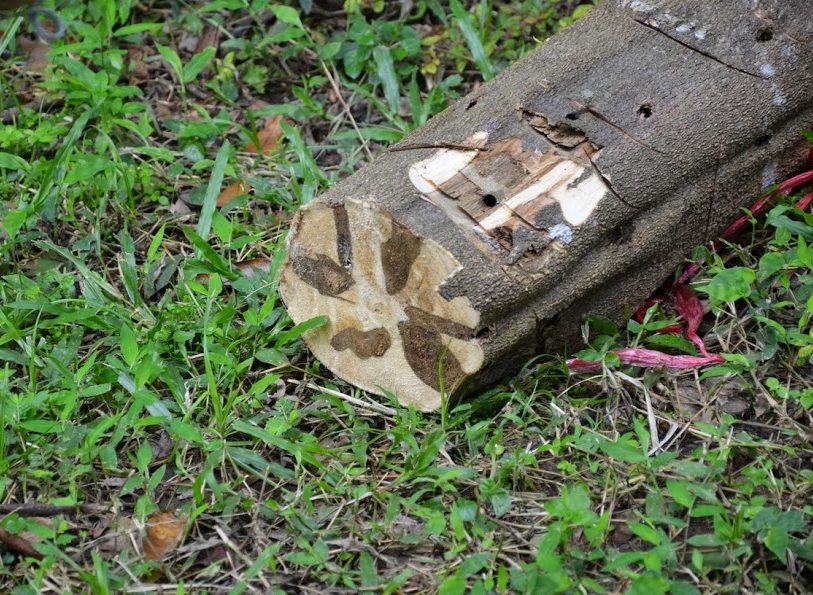
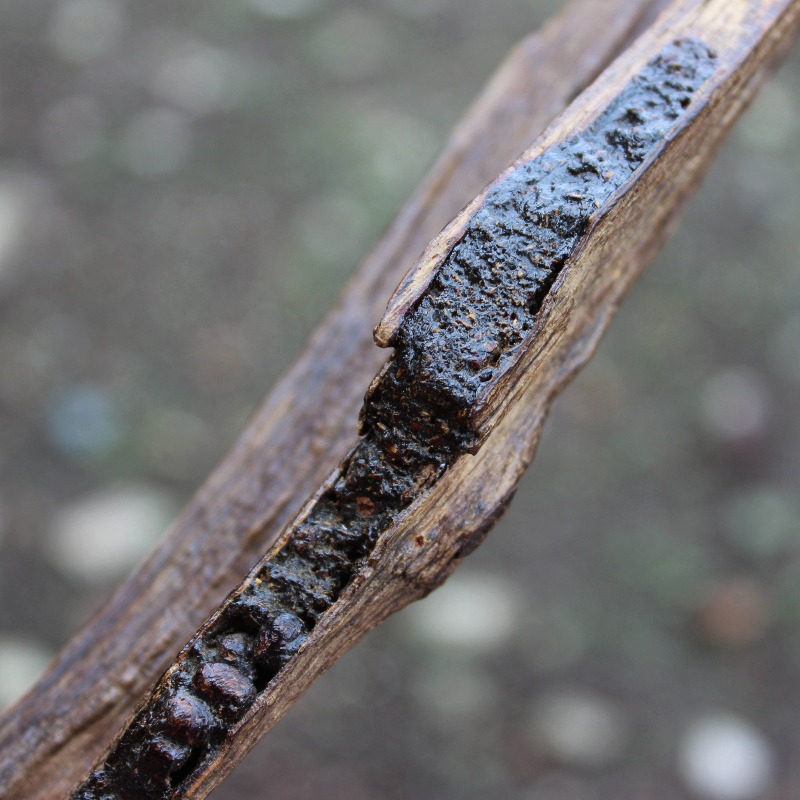
When the trees are healthy, agarwood has a light or pale color but when it is infected by disease, the process of infection creates a response to the attack resulting in a very dark and incredibly aromatic resin known as oleoresin. It is this rich dark resin which is so highly prized and from which agarwood essential oil is extracted.

In the wild, the production of this resin can take many years and like a good wine, the older the resin-the more prized it becomes. Because of its huge cost and extreme rarity in the wild, the trees are now cultivated and the resin is actually created by artificial infection and its essential oil extracted by water distillation.

There are many grades of Agarwood oil. The quality of grade is dependent on the grade of wood used and the length of distillation. Typically, the longer the distillation time the higher the grade.

It costs hundreds for 5ml and oud oil is typically sold by weight. Because of its rarity and mythic status in almost all of the worlds religions–it is extremely expensive. The scent is particularly sought after. It is believed to be the most powerful natural aphrodisiac.

Most Agarwood oud oil is purchased and consumed primarily by France, Saudi Arabia and Japan. There are no truly similar species or known sythetics that come close to the real scent. The fungal infection that helps create the resin makes its extract very unique.

Adulteration can and does happen on many levels. On the raw materials level–trees either uninfected or a lower grade of wood. Often it can even be a different but similar species of tree. Even among infected trees the method of infection (natural or stimulated) can have an effect on the compounds in the wood.

On the distillation level–the distiller can include the hydrosol with the essential oil or lie about the length of distillation.

On the distribution level–the oil is cut with other oils or synthetic chemicals are added to attempt to replicate the scent.

Agarwood Extinction

Resin-producing agarwood trees are endangered throughout their known habitat all across Southeast Asia. The main driving force, which initiated this project, was the recognition of unsustainable Aquilaria harvesting in natural forests that resulted in the near extinction of this tree genus in Thailand, Vietnam and elsewhere. Aquilaria crassna is now a protected species in Vietnam. Trade and harvesting restrictions will be virtually impossible to implement and enforce if no alternative is developed to forest-based harvesting. In addition, both in the short and long-term, a natural resource base needs to be maintained to supply present and future Aquilaria plantations with genetic source material in order to prevent plant decease, maintain diversity, and possibly improve resin production.

Agarwood Substitutes

Development of synthetic agarwood substitutes usually arises when sustainable supplies of the natural product are not available. One of the first questions pursued when contemplating the pilot project was, “Is it possible to synthesize agarwood and agarwood oil?” The answer is a qualified no. Agarwood cannot be synthesized. Chemical substitutes are already available for perfume; these are cheap and constitute the least profitable end of the market. In addition, these products do not come close in emulating the natural product and thus do not pose a threat to producing non-synthetic agarwood products. The major chemical components responsible for the characteristic scent of agarwood products, 15-carbon chain compounds called sesquiterterpenes, can in principle be synthesized. However, these are very complicated structures that are extremely expensive to synthesize, which makes it commercially unattractive.

INTERESTING FACTS ABOUT AGARWOOD

  • Religious texts were written on bark from agar trees and Srimanta Sankardev referred to agarwood as one of the divine trees with the ability to fulfill human desire.
  • Burning Agarwood was called the ‘scent of Nirvana’ by The Lord Buddha.
  • It is extensively mentioned in the Sanskrit Vedas as a favorite of Lord Krishna.
  • Agarwood has played an important role in many religious traditions all over the world. It has been revered for millennia for its fragrance in religious ceremony and its incense burned at the burial of Jesus Christ.
  • King Louis XIV had his clothing washed in water scented with agarwood.
  • Agarwood smoke was used to scent the armor of Samurai warriors before heading into battle.
  • In Genesis, agarwood is mentioned as the only tree from which Adam and Eve could take cuttings.
  • Although it is not that well known in the West, agarwood has a rich history of medicinal use in many cultures. It has been used for centuries by physicians in Tibet, India, China and the Arab world to treat a range of physical and mental conditions.
  • The Prophet Mohammed used Agarwood to perform fumigation rituals, a practice which is continued today by Orthodox.

  • Digg
  • Del.icio.us
  • StumbleUpon
  • Reddit
  • RSS

Agarwood market demand


The consumer market for Agarwood is well developed in the Middle East and Northeast Asia where Agarwood has been used for over one thousand years. Taiwan, Singapore, Hong Kong and Bangkok are major traders of Agarwood while Thailand, Indonesia, Vietnam and Malaysia are major producers. The increasing scarcity of illegal forest Agarwood makes plantation grown Agarwood much sought after to meet global demand.

Taiwan has long been a major trader in Agarwood for both medicinal and cultural uses. According to official records, 6,843 tonnes of unprocessed Agarwood was imported to Taiwan in the ten years to 2003. Prices of Agarwood for medicinal use vary between US$ 3,000 to US$ 30,000 per kilogram and processed oil between US$ 7,000 to US$ 61,000 a litre. Large high quality pieces suitable for ornamental sculptures can sell for up to US$ 100,000 per kilogram.

In Osaka, Japan, a shop known as Jinkoh-ya (literally, “Agarwood Store”) has been trading Agarwood products for over 350 years. During the period 1991-1998, according to official Customs figures, 277,396 kilograms of unprocessed Agarwood was imported into Japan, or an average of over 34 tonnes a year. A 2004 price survey of unprocessed Agarwood pieces found prices ranging from US$ 320 to US$ 22,700 per kilogram with the highest grades Agarwood selling for between US$ 9,000 to US$ 272,000 per kilogram.

Demand for Agarwood products in the Middle East significantly exceeds Eastern Asia. One well known Saudi Arabian Agarwood oud oil retailer specializing in oud (agar oil) has over 550 retail outlets across 17 countries with over 600,000 customers and is one of the world’s largest perfume retailers in a market worth US$ 3.3 billion a year. The company imports 45 tonnes of unprocessed Agarwood yearly to produce 400 different fragrances with oud as the basic ingredient and has a production capacity of 30 million bottles of perfume a year.

  • Digg
  • Del.icio.us
  • StumbleUpon
  • Reddit
  • RSS

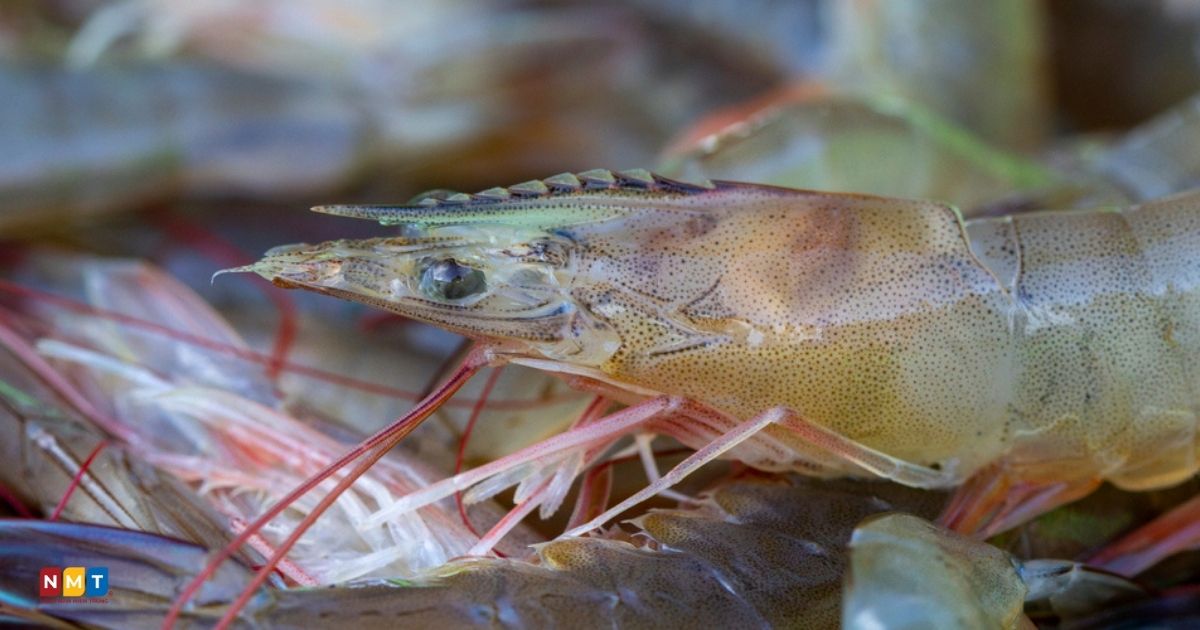
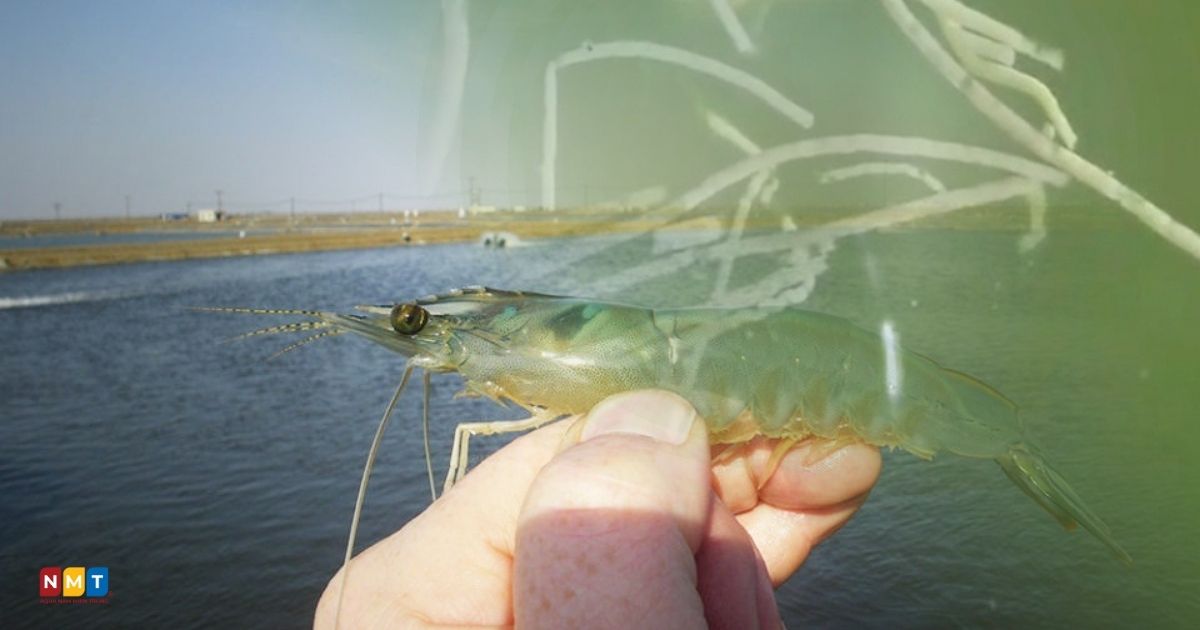
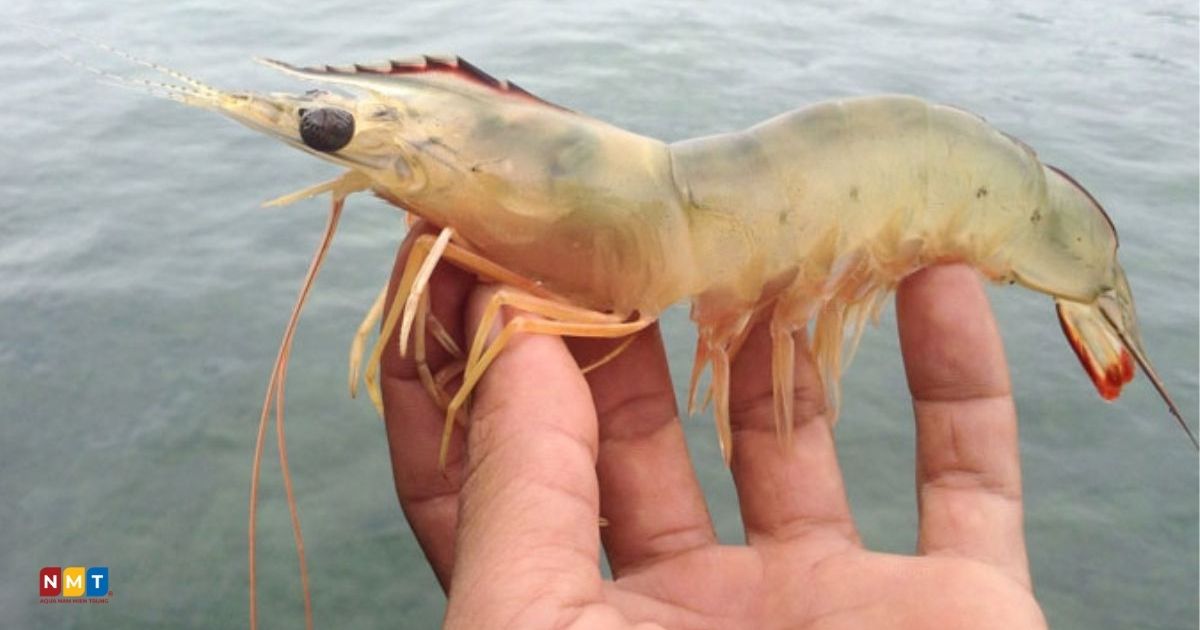
15 loại bệnh phổ biến trên tôm


1. Bệnh đốm trắng

Bệnh đốm trắng ở tôm có 3 nguyên nhân chính: virus, vi khuẩn và môi trường. Virus gây ra bệnh bằng white spot syndrome virus (WSSV). Vi khuẩn gây ra bệnh thông qua hội chứng đốm trắng (Bacterial White Spot Syndrome – BWSS). Môi trường gây ra bệnh khi nước có độ cứng cao (Ca2+ và Mg2+), tôm hấp thụ quá nhiều và xuất hiện các đốm trắng trên vỏ.

Bệnh thường có các đốm màu trắng hoặc vàng nhạt trên cơ thể tôm, xuất hiện trên vỏ, chân và các bộ phận khác. Nếu không được điều trị kịp thời, bệnh có thể lây lan trong ao nuôi và gây thiệt hại kinh tế đáng kể.

Tổng hợp 16 loại bệnh phổ biến trên tôm và biện pháp phòng ngừa

Bệnh thường có các đốm màu trắng hoặc vàng nhạt trên cơ thể tôm, xuất hiện trên vỏ, chân và các bộ phận khác.

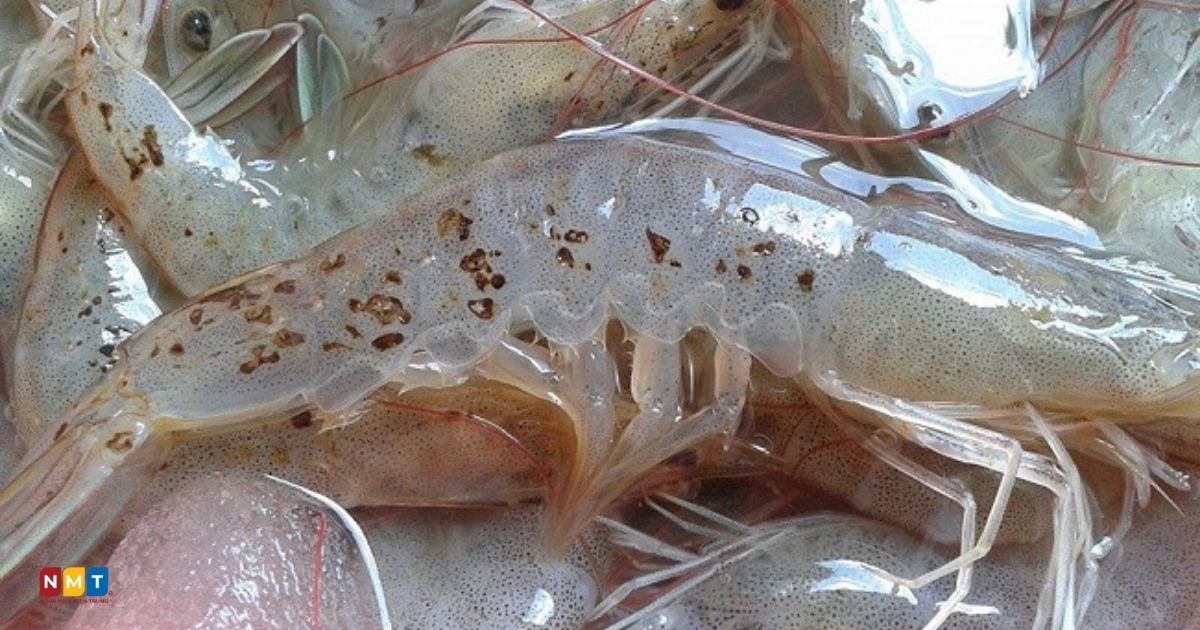
2. Bệnh đốm đen

Bệnh do các loài vi khuẩn có hại trong ao nuôi gây ra. Những loài vi khuẩn này có khả năng tiết ra các chất có khả năng ăn mòn lớp vỏ kitin của tôm. Chúng thường phát triển mạnh ở các ao có tình trạng giàu dinh dưỡng (ô nhiễm) và tích tụ nhiều loại khí độc như  NH3, NO2 và H2S, hàm lượng Oxy hoà tan trong nước thường thấp.

Tổng hợp 16 loại bệnh phổ biến trên tôm và biện pháp phòng ngừa

Trên thân tôm xuất hiện nhiều đốm đen li ti nằm rải rác hoặc chụm lại thành từng đám

3. Bệnh đói thức ăn

Do tôm không được cung cấp đủ lượng thức ăn hoặc không đảm bảo chất lượng thức ăn, dẫn đến suy dinh dưỡng và yếu sinh lý.

4. Bệnh nấm

Do nấm gây ra, tạo thành mảng trắng trên cơ thể tôm và gây tổn thương nghiêm trọng cho chúng.

5. Bệnh thối đuôi

Do vi khuẩn gây ra, gây ra hiện tượng thối đuôi ở tôm và có thể lan rộng ra toàn bộ ao nuôi.

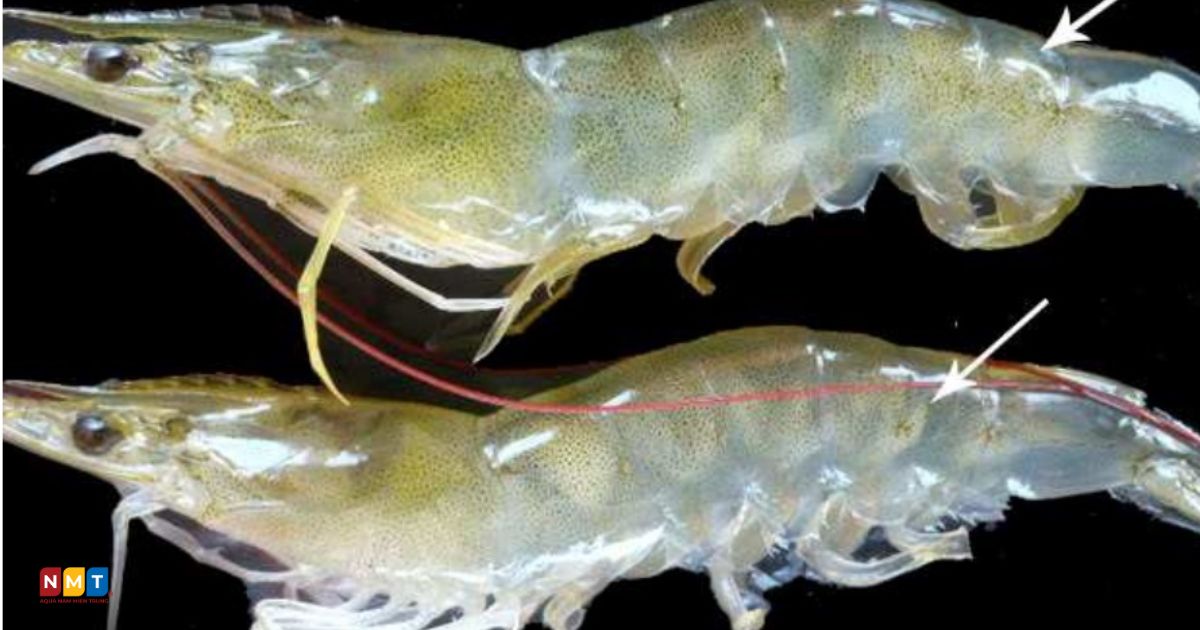
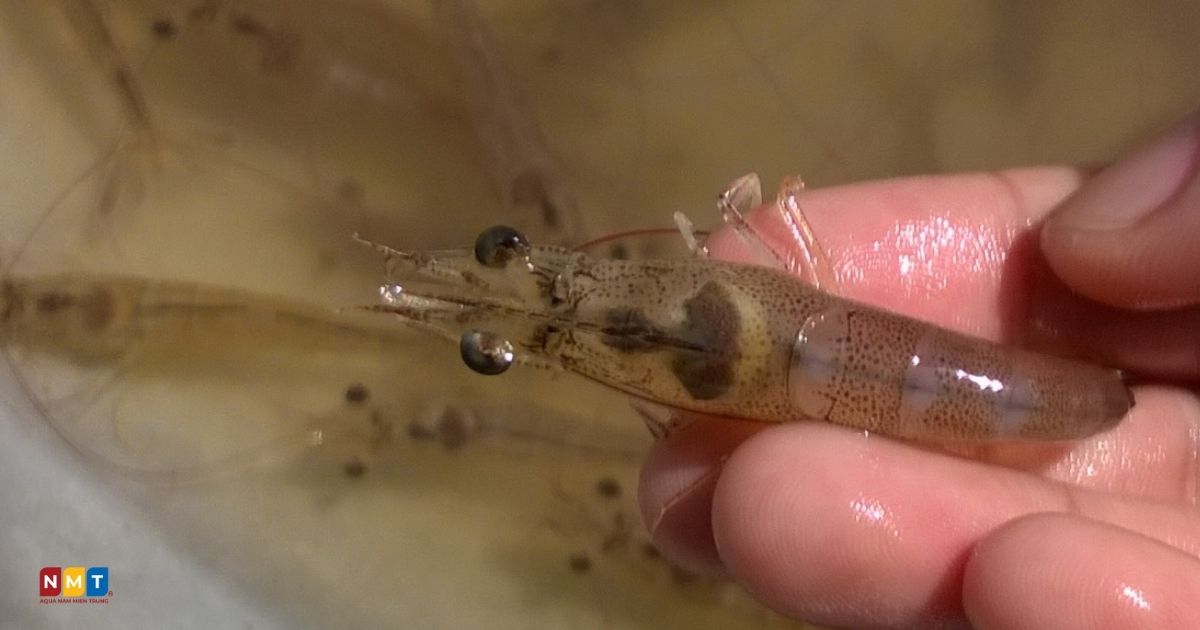
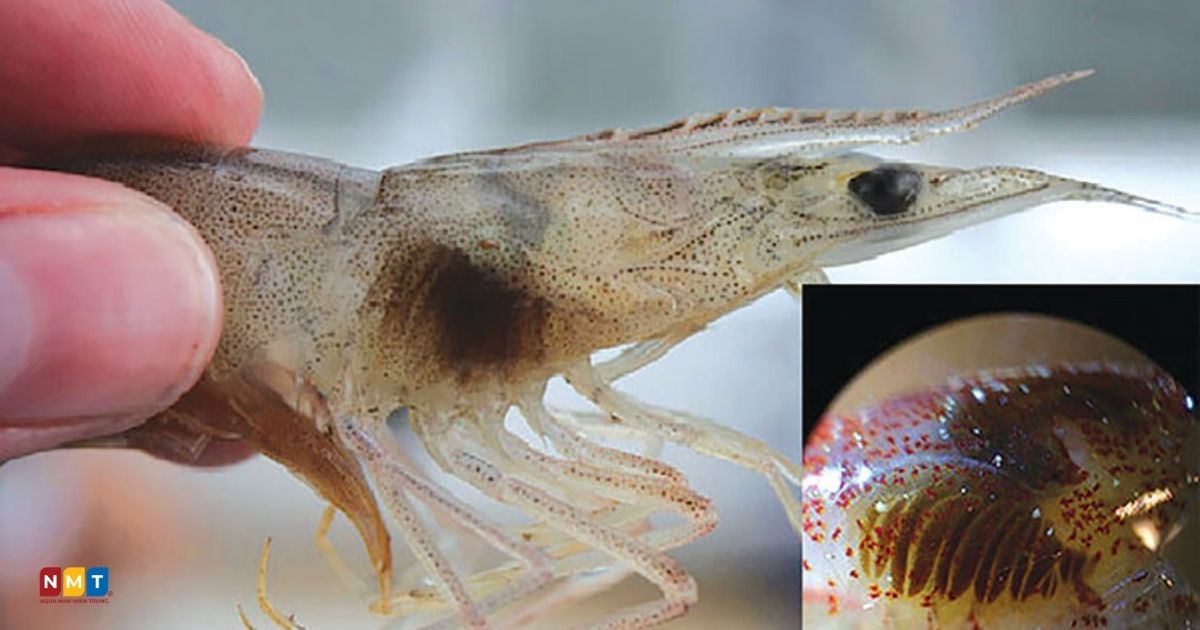
6. Bệnh hoại tử gan tụy cấp tính (EMS/AHPND)

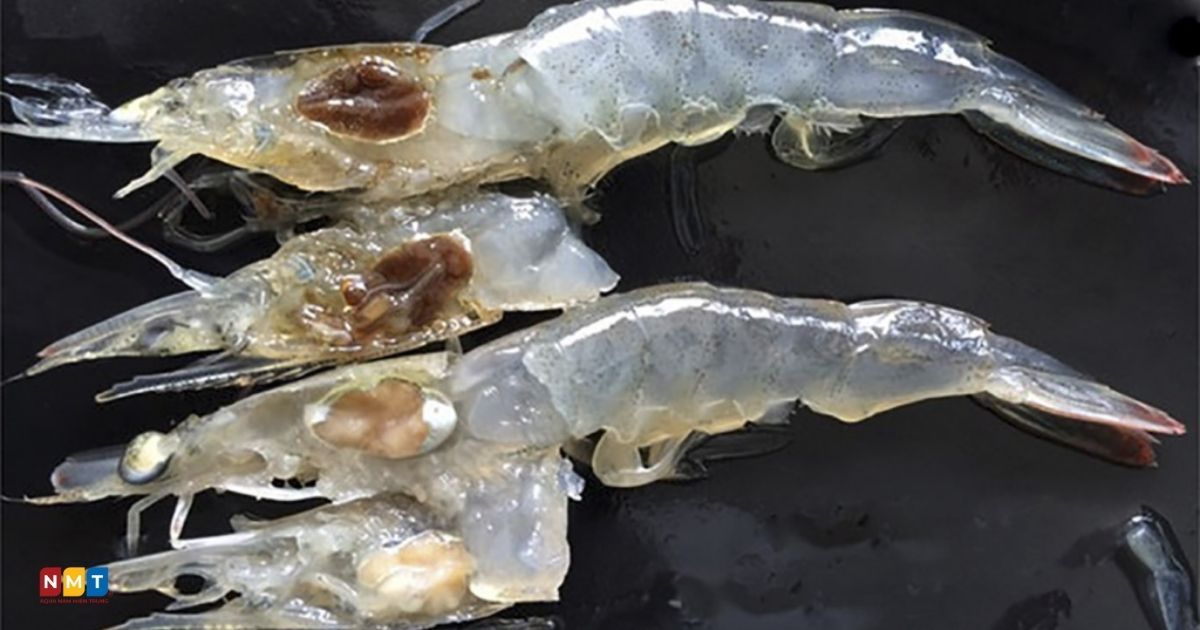
Tác nhân gây bệnh được xác định là do một chủng vi khuẩn Vibrio parhaemolyticus đặc biệt có độc lực cao. Tôm bệnh có khối gan tụy teo, gan tụy có màu nhợt nhạt đến trắng, ruột tôm không có thức ăn hoặc đứt đoạn, mềm vỏ, tỷ lệ chết cao. Tôm sú bệnh EMS thường có màu đậm, chậm lớn (tương tự như bệnh còi MBV) các biểu hiện trên gan tụy màu sắc nhợt nhạt, gan tụy teo, ruột không có thức ăn.

Bệnh hoại tử gan tụy cấp tính (EMS_AHPND)

Khối gan tụy teo, gan tụy có màu nhợt nhạt đến trắng là biểu hiện của bệnh hoại tử gan tụy cấp tính

7. Bệnh hoại tử cơ quan tạo máu và cơ quan lập biểu mô

Bệnh hoại tử cơ quan tạo máu và cơ quan lập biểu mô do Infectious hypodermal and hematopoietic necrosis virus (IHHNV) gây ra. Đây được coi là tác nhân gây bệnh nguy hiểm nhất trên tôm thẻ chân trắng. Tôm nhiễm bệnh IHHNV thường có các triệu chứng dễ nhận thấy như sau: Hôn mê, hoạt động yếu, chủy biến dạng.

Bệnh hoại tử cơ quan tạo máu và cơ quan lập biểu mô

Khi tôm bị nhiễm IHHNV, vùng cơ sẽ bị tổn thương nghiêm trọng và hoại tử rộng (chủ yếu ở vùng cơ bụng và cơ đuôi có màu trắng đục).

8. Bệnh đầu vàng (YHV)

Tác nhân gây bệnh là do phức hợp virus gây bệnh đầu vàng (yellow head virus – YHV) và virus gây hội chứng liên quan đến mang (gill-associated virus – GAV). Hiện nay, YHV được ghi nhận có 6 kiểu gen khác nhau.

Tôm nhiễm bệnh có biểu hiện vàng hoặc nâu ở mang, vàng ở phần đầu ngực, toàn thân có màu nhợt nhạt, sưng tuyến tiêu hóa làm cho đầu xuất hiện màu vàng. Tỷ lệ chết cao, có thể lên đến 100% sau 3 đến 5 ngày nhiễm bệnh.

Bệnh đầu vàng (YHV)

Tôm nhiễm bệnh có biểu hiện vàng có tỷ lệ chết cao, có thể lên đến 100% sau 3 đến 5 ngày nhiễm bệnh.

9. Bệnh phân trắng (WFD/WFS)

Hiện chưa xác định được chính xác nguyên nhân, có nhiều nghiên cứu chứng minh rằng tôm bệnh phân trắng do nhóm vi khuẩn Vibrio, trùng hai tế bào (Gregarine) hoặc nhóm ký sinh trùng có tên Vermiform, virus.

Tôm bệnh thải ra phân trắng, thỉnh thoảng sợi phân tôm cũng có màu vàng nhạt, gan tụy teo hay mềm nhũn.

Bệnh phân trắng (WFD_WFS)

Tôm bệnh thải ra phân trắng, thỉnh thoảng sợi phân tôm cũng có màu vàng nhạt, gan tụy teo hay mềm nhũn.

10. Bệnh Taura

Bệnh do Taura syndrome virus (TSV) gây ra. Tôm thẻ chân trắng nhiễm bệnh có màu đỏ nhạt, đặc biệt là phần đuôi, mềm vỏ và ruột rỗng. thường tỷ lệ gây chết từ 40% đến 90% và lây lan nhanh. Virus Taura có thể nhiễm trên tôm sú gây ra bệnh đỏ đuôi.

Bệnh Taura

Tôm yếu, èo uột, vỏ mềm, ruột không có thức ăn, bơi lờ đờ trên mặt nước, tấp mé bờ, chậm lớn. Gan tụy có màu vàng hơn bình thường; mang, đuôi có thể bị sưng.

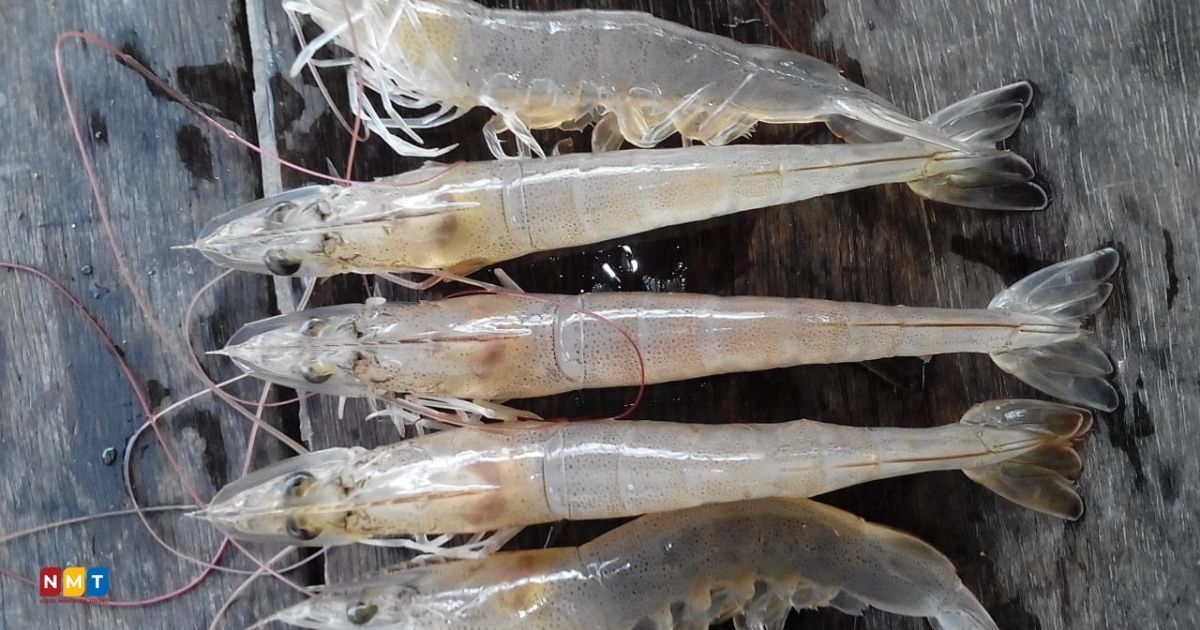
11. Bệnh hoại tử cơ, trắng đuôi, đục cơ

Có rất nhiều nguyên nhân gây nên bệnh bệnh hoại tử cơ, trắng đuôi, đục cơ trên tôm. Dấu hiệu chung của bệnh này là phần cơ đuôi hoặc phần cơ ở các đốt thân khác hoặc toàn thân có màu trắng hoặc đục và có dấu hiệu hoại tử.

Xác định được nguyên nhân gây bệnh đục cơ trên tôm thẻ chân trắng là do tôm bị bệnh, ví dụ như do nhiễm vi bào tử trùng (Microsporidian), hay virus (IMNV, PvNV) hay do nhiễm vi khuẩn thuộc nhóm Vibrio (bệnh trắng đuôi do Vibrio harveyi được đặt tên là “bệnh trắng đuôi do vi khuẩn” (BWTD – bacterial white tail disease). Ở vùng nuôi có độ mặn tương đối cao (25 – 35%), tôm chuyển sang trắng đục ở một số bộ phận trên cơ thể. Tỷ lệ chết tích lũy khá cao, khoảng 40 – 70%.

Bệnh hoại tử cơ, trắng đuôi, đục cơ

Dấu hiệu chung của bệnh này là phần cơ đuôi hoặc phần cơ ở các đốt thân khác hoặc toàn thân có màu trắng hoặc đục và có dấu hiệu hoại tử.

12. Bệnh hoại tử gan tụy do vi khuẩn (NHPB)

Bệnh hoại tử gan tụy do vi khuẩn NHPB (Necrotizing hepatopancreatitis bacterium). Bệnh xảy ra do các điều kiện môi trường ao nuôi kém, đặc biệt là đáy ao bị dơ, các ao nuôi xuất hiện bệnh “đốm đen” thường có hàm lượng các khí độc như NH3, NO2 rất cao. Tỷ lệ chết có thể lên đến 95% trong vòng 15 – 30 ngày kể từ khi phát hiện bệnh.

Tổng hợp 15 loại bệnh phổ biến trên tôm và biện pháp phòng ngừa

Tỷ lệ chết có thể lên đến 95% trong vòng 15 – 30 ngày kể từ khi phát hiện bệnh.

13. Bệnh đen mang (tím mang)

Trong các bệnh thường gặp ở tôm sú thì bệnh đen mang (hay còn gọi là tím mang) thường gặp trong các ao nuôi có chất lượng nước không tốt (đáy ao dơ, có nhiều khí độc NH3, NO2, H2S,…) và mật độ thả nuôi cao. Khi bị nhiễm bệnh, mang, chân và đuôi tôm thường có màu đen, tôm giảm ăn, chậm lớn, và chết khi gặp các tác nhân khác.

Khi bị nhiễm bệnh, mang, chân và đuôi tôm thường có màu đen, tôm giảm ăn, chậm lớn, và chết khi gặp các tác nhân khác.

14. Bệnh đóng vôi, rong

Bệnh đóng vôi, đóng rong xuất hiện chủ yếu là do tảo, nấm, động vật nguyên sinh và vi khuẩn tác động lẫn nhau gây ra bệnh. Bệnh xuất hiện từ giai đoạn tôm giống cho đến lúc tôm trưởng thành, đặc biệt vào những tháng cuối vụ nuôi. Khi bị bệnh, tôm sú có hiện tượng đóng rong, yếu ớt, thường bỏ ăn, ít di chuyển và bơi tấp mé bờ, đồng thời mang tôm bị đổi màu.

Bệnh đóng vôi, rong

Bệnh xuất hiện từ giai đoạn tôm giống cho đến lúc tôm trưởng thành, đặc biệt vào những tháng cuối vụ nuôi

15. Bệnh mềm vỏ

Bệnh mềm vỏ thường xuất hiện trên các ao nuôi thương phẩm, triệu chứng của bệnh là sau khi lột xác, vỏ tôm không cứng lại, vỏ nhăn nheo, rất dễ rách nát, tôm yếu.

Bệnh mềm vỏ

Bệnh mềm vỏ trên tôm là bệnh thường xảy ra ở tôm nuôi

  • Digg
  • Del.icio.us
  • StumbleUpon
  • Reddit
  • RSS